

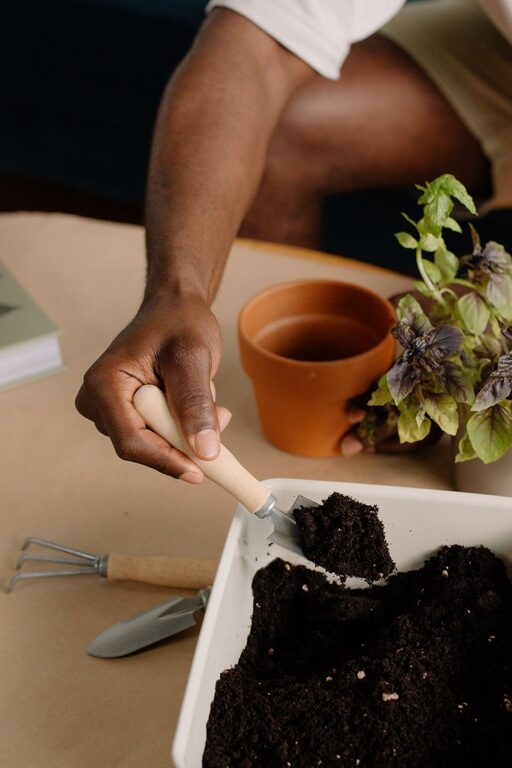
Starting a small herb garden indoors is a rewarding and enjoyable way to bring fresh flavors into your kitchen. Whether you have limited outdoor space or want fresh herbs during the colder months, growing herbs indoors is both practical and fun. This guide will walk you through everything you need to know to successfully start your own indoor herb garden.
Why Grow Herbs Indoors?
Indoor herb gardening offers several benefits:
– Freshness: Pick herbs right before cooking for the best flavor.
– Convenience: Herbs are easy to reach and available year-round.
– Decoration: Green plants brighten up your kitchen or living space.
– Control: You have full control over growing conditions and pesticide use.
Step 1: Choose the Right Herbs
Some herbs grow better indoors than others. Here are some popular, easy-to-grow herbs for beginners:
– Basil: Requires bright light and warmth.
– Mint: Very forgiving and grows quickly but can spread fast.
– Parsley: Prefers moderate light and moist soil.
– Chives: Hardy and good for windowsills.
– Thyme: Thrives with sunlight and well-drained soil.
– Cilantro: Needs bright light but can be trickier to grow continuously.
Choose herbs you use regularly in cooking to make your garden truly useful.
Step 2: Pick Suitable Containers
Herbs need pots with drainage holes to prevent waterlogging. Here are some container tips:
– Choose pots that are at least 4 to 6 inches deep.
– Consider using ceramic, plastic, or terracotta pots.
– Recycled containers like mason jars or teacups can work if you add drainage holes.
– Use saucers underneath to catch excess water.
Proper containers help maintain healthy roots, preventing rot.
Step 3: Select the Right Soil
Herbs require well-draining soil. You can find potting mixes designed specifically for herbs or make your own by mixing:
– 2 parts potting soil
– 1 part perlite or coarse sand for drainage
Avoid using garden soil, which can be too heavy and may contain pests.
Step 4: Find the Best Location
Light is crucial for herbs:
– Most herbs need 6-8 hours of sunlight per day.
– A south or west-facing window is usually best.
– If natural light is limited, consider using a grow light for 10-12 hours daily.
– Rotate your plants regularly to ensure even light exposure.
Temperature and humidity also matter. Herbs generally like temperatures between 65-75°F and moderate humidity.
Step 5: Planting Your Herbs
You can start herbs from seeds, seedlings, or cuttings.
From Seeds:
– Fill containers with soil, lightly firm it.
– Sprinkle seeds evenly according to package instructions.
– Cover seeds with a thin layer of soil.
– Water gently with a spray bottle.
– Keep soil moist but not soggy.
– Germination time varies, so be patient.
From Seedlings or Cuttings:
– Purchase young plants from garden centers.
– Gently loosen roots before planting.
– Water well after planting.
Step 6: Watering and Care
Proper watering is key:
– Water when the top inch of soil feels dry.
– Avoid overwatering, which can cause root rot.
– Use room-temperature water.
– Herbs like basil and cilantro prefer consistently moist soil.
– Thicker-leaf herbs like thyme and rosemary prefer to dry out somewhat between watering.
Additional care tips:
– Fertilize once a month with a balanced, water-soluble fertilizer.
– Pinch back herbs regularly to promote bushy growth.
– Remove yellow or dead leaves promptly.
– Watch for pests like aphids; treat naturally with insecticidal soap if needed.
Step 7: Harvesting Your Herbs
– Harvest herbs in the morning when essential oils are strongest.
– For leafy herbs like basil, pinch off leaves from the top to encourage new growth.
– Don’t remove more than one-third of the plant at a time.
– Use scissors or pruning shears to avoid damaging plants.
Harvesting regularly supports healthy, continuous growth.
Troubleshooting Common Issues
– Leggy herbs: Not enough light; move plants closer to window or add grow light.
– Yellow leaves: Overwatering or poor drainage; check soil moisture and drainage.
– Wilting: Underwatering or root issues; adjust watering schedule and check roots.
– Pests: Look for small insects or sticky residue; treat with mild soap spray.
Tips for Success
– Start small with a few favorite herbs.
– Keep a plant care journal to track watering and growth.
– Experiment with different light sources and placements.
– Keep your herbs clean by gently wiping leaves.
– Enjoy the process and have fun experimenting!
Growing a small indoor herb garden can turn your kitchen into a fragrant, flavorful space all year long. With minimal effort and a little patience, you’ll soon enjoy the satisfaction of harvesting fresh herbs right where you cook. Happy gardening!