

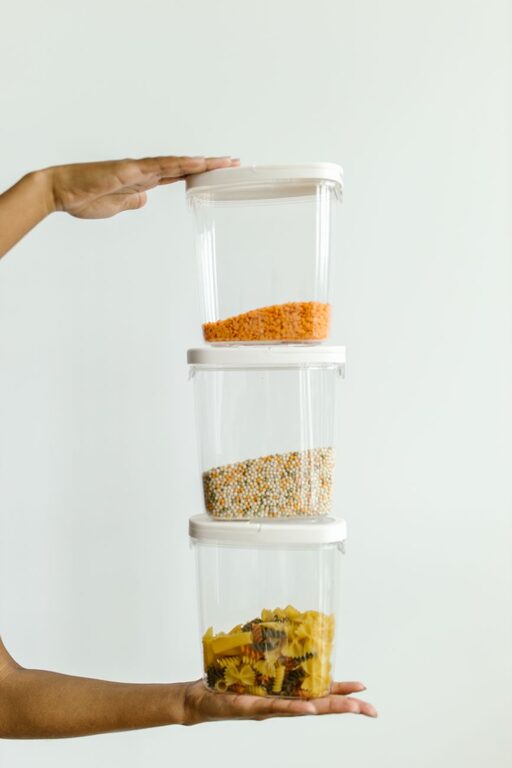
Planning meals from pantry staples is a smart and practical approach to cooking that benefits your schedule, budget, and grocery shopping habits. Whether you’re trying to minimize trips to the store, save money, or just make the most of what you already have, using the ingredients in your pantry can unlock a world of flavorful and satisfying meals.
In this post, we’ll cover how to organize your pantry, identify versatile staples, and craft meal ideas that keep your menu exciting and nourishing.
Why Plan Meals From Pantry Staples?
Before diving into the how, it helps to understand the benefits:
– Convenience: Ready access to ingredients makes cooking simpler and faster.
– Cost savings: Using what you have reduces food purchases and waste.
– Creativity: Working with staples encourages trying new recipes and combinations.
– Less waste: Planning meals with pantry items reduces the chance of ingredients expiring unused.
Step 1: Organize and Know Your Pantry
To start planning meals from your pantry, take inventory of what you have. This might sound tedious but is very helpful.
– Group items by category: Such as grains, canned goods, spices, baking ingredients, and snacks.
– Check expiration dates: Remove outdated items to maintain safety and quality.
– Keep a list: Use a notebook or an app to track pantry contents and quantities.
– Organize shelves: Store frequently used staples at eye level for easy access.
Familiarity with your pantry will give you a clearer idea of meal possibilities and reduce last-minute shopping trips.
Step 2: Identify Your Pantry Staples
Pantry staples are ingredients that store well for long periods and serve as the base for many meals. Typical staples include:
– Grains and pasta: Rice, quinoa, oats, pasta, couscous.
– Canned goods: Beans, tomatoes, corn, tuna, coconut milk.
– Baking essentials: Flour, sugar, baking powder, yeast.
– Oils and vinegars: Olive oil, vegetable oil, apple cider vinegar, balsamic vinegar.
– Spices and herbs: Salt, pepper, garlic powder, chili flakes, dried oregano.
– Nuts and seeds: Almonds, sunflower seeds, chia seeds.
– Broths and sauces: Chicken or vegetable broth, soy sauce, hot sauce, mustard.
With these staples on hand, you can assemble countless meals by adding fresh or frozen produce and proteins when possible.
Step 3: Plan Balanced Meals Around Your Staples
A well-rounded meal generally includes carbohydrates, protein, and vegetables. While your pantry can provide carbs and some protein (like beans or canned fish), supplementing with fresh or frozen vegetables and additional proteins will create complete dishes.
Here are some meal ideas that rely primarily on pantry staples:
Pantry-Based Meal Ideas
– Pasta Primavera with Canned Vegetables: Cook pasta and toss with olive oil, canned tomatoes, and mixed canned or frozen vegetables. Add garlic and chili flakes for flavor.
– Bean Chili: Use canned beans, canned tomatoes, and spices like cumin and chili powder. Simmer and serve with rice or tortilla chips.
– Rice and Lentil Pilaf: Combine rice and dried lentils with broth, sautéed onions (fresh or dried), and spices like turmeric or cumin.
– Tuna Salad Wrap: Mix canned tuna with mustard or mayo, canned corn, and seasonings. Serve in wraps or over lettuce.
– Oatmeal with Nuts and Dried Fruit: A quick breakfast or snack using oats, nuts, and any dried fruit you have on hand.
Step 4: Use Meal Planning Techniques
To make meal planning easier and more effective, try these tips:
– Batch cooking: Prepare larger portions and store leftovers for future meals.
– Meal themes: Assign themes for days (like Mexican Monday or Soup Sunday) to focus your pantry use.
– Flexible recipes: Look for recipes that allow ingredient substitutions depending on what’s in your pantry.
– List your meals: Plan meals for the week and base shopping lists on the few fresh items needed.
Step 5: Keep Staples Stocked and Rotate Regularly
Once you have your pantry stocked with favorite staples, keep track of what runs low and replenish before running out.
– Practice the “first in, first out” rule by placing newer items behind older ones.
– Rotate items regularly to prevent spoilage.
– Try to buy in bulk for staples with a long shelf life to save money.
Bonus Tips for Pantry Meal Success
– Spices are powerful: A diverse spice collection transforms simple ingredients into exciting dishes.
– Simple sauces: Know a few quick sauce recipes like tomato sauce, vinaigrette, or peanut sauce to complement pantry meals.
– Experiment with texture: Combine crunchy nuts with soft grains or creamy beans for varied texture.
– Keep staple add-ons: Stock frozen or shelf-stable veggies like frozen peas or canned artichokes for freshness without frequent shopping.
—
Planning and cooking meals from pantry staples can be both budget-friendly and creatively fulfilling. With a well-organized pantry and a little planning, you’ll find you can whip up tasty and nutritious dishes anytime without stress.
Try these strategies today and enjoy the confidence and convenience of cooking with what you already have!